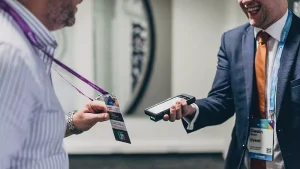
Building a Year-Round Community from a Single Trade Show Appearance
You’ve just returned from the trade show. Your feet ache, your voice is hoarse, and your suitcase is overflowing with leads, brochures, and a few too many branded stress balls. The adrenaline is fading. Now what? For most companies, this is where the momentum dies. Leads get dumped into a CRM for a slow, generic drip campaign, and the vibrant connections you made become just another line in a spreadsheet.
But what if that single event could be the seed for something much bigger—a thriving, year-round community that fuels your business long after the booth is packed away? It’s not a fantasy. It’s a strategic shift from seeing trade shows as a lead-generation sprint to treating them as the foundational moment for community-building. Let’s dive in.
The Mindset Shift: From Lead Capture to Community Cultivation
First, we need to reframe the goal. Sure, you want leads. But chasing a high quantity of shallow contacts is a losing game. The real opportunity lies in depth. Think of your trade show appearance not as a net, but as a magnet. You’re attracting the right people—those genuinely interested in your niche, your approach, your people.
Your objective becomes initiating relationships, not just transactions. Every conversation is an audition for a potential community member. This changes how you plan, who you send, and what you say. It’s less about the hard sell and more about the meaningful connection. Honestly, it’s more fun that way, too.
The Pre-Show Foundation: Laying the Groundwork
Community building from an event starts weeks before you arrive on the show floor. You can’t build something on empty land.
Activate Your Existing Base
Tell your email list, social followers, and customers you’ll be there. Create a dedicated hashtag for the event—something like #YourBrandAtShowName. Use it to share behind-the-scenes prep, ask what they’re hoping to see, and announce booth activities. This isn’t just promotion; it’s an invitation for your existing community to participate and bring others.
Design an Irresistible “On-Ramp”
You need a compelling, low-friction reason for people to join your new inner circle. A simple “sign up for our newsletter” won’t cut it. Create a valuable, exclusive offer for show attendees only. Think: a private digital hub.
- A dedicated LinkedIn Group or Slack channel for post-show networking and content.
- An “Insider’s Guide” to the trade show with your team’s picks for can’t-miss sessions or hidden-gem restaurants.
- Access to a live Q&A session with your thought leaders a week after the event.
The goal is to make joining feel like getting a backstage pass. That’s your community’s starting point.
The Live Event: Where Connection Happens
This is your moment. Your booth and team are the living room of your nascent community. Every interaction matters.
Train Your Team for Depth, Not Speed
Staff your booth with conversationalists, not closers. Their job is to discover shared challenges, passions, and pain points. Encourage them to ask open-ended questions and listen more than they talk. The best community members feel heard first, sold to later.
Facilitate Attendee-to-Attendee Connections
This is a magic trick. Be the connector. If you meet two people struggling with the same supply chain issue, introduce them. Right there. Host a quick, informal roundtable discussion at your booth on a hot topic. When you help people connect with each other, you stop being just a vendor and become a vital hub. The community starts to form through you, not just around you.
The Critical Follow-Up: From Contact to Member
Here’s where the year-round community is won or lost. Your follow-up sequence is everything.
Day 1 (Post-Show): Send a warm, personal-ish email. Not a brochure. Thank them for the chat, reference something specific you discussed (this is crucial), and provide the easy link to join your exclusive post-show group or access the promised resource.
Week 1: Inside your new community space (the Slack, LinkedIn Group, etc.), share a piece of unique content. Maybe it’s a recap of the key takeaways from that booth roundtable, or an interview with an industry expert you met at the show. The content must be valuable and unattainable elsewhere. Encourage members to introduce themselves.
Month 1 and Beyond: This is the rhythm phase. Your job is to nurture, provide value, and gradually step back as the community talks amongst itself.
| What to Do | What to Avoid |
| Pose thoughtful questions to the group. | Blasting promotional sales pitches. |
| Share industry news with your analysis. | Letting the space go silent for weeks. |
| Highlight member wins or insights. | Controlling every conversation. |
| Host monthly virtual “coffee chats.” | Making it all about your product. |
Sustaining Momentum: The Year-Round Engine
Okay, so you’ve got a group that’s alive. How do you keep it thriving and avoid it becoming a ghost town? You bake it into your marketing calendar.
- Leverage Member Expertise: Feature community members in your blog or webinar series. This validates them and shows others the value of participation.
- Create Sub-Groups: As the community grows, facilitate smaller circles for specific interests (e.g., “Beginners,” “Advanced Tech,” “Regional Networking”).
- Bridge to the Next Event: Use your community to plan the next trade show. Poll them on what they want to see from your booth. Organize a community dinner or meetup at the event. The cycle reinforces itself.
You see, the trade show stops being a isolated marketing tactic. It becomes the annual gathering—the “homecoming”—for a community you nurture every single day. The ROI transforms. It’s no longer just about the deals closed at the event, but about the sustained loyalty, the invaluable feedback, the word-of-mouth referrals, and the rich market intelligence that an engaged community provides all year long.
The Real Payoff: More Than Just Leads
Building a community is admittedly more work than collecting business cards. But the payoff is a moat around your business. In a noisy digital world, genuine connection is the ultimate competitive advantage. You become a trusted authority, not just another option. Your product launches have a built-in audience of advocates. You have a direct line to your market’s evolving needs.
That single trade show appearance, then, is your catalyst. It’s the concentrated dose of real-world interaction that can fuel a virtual community for months. It provides the shared experience—the “remember when we met at that booth?”—that bonds people. So next time you plan for an event, think bigger than the booth. Think about the community that could begin there. And start planting the seeds long before you ever set up your display.